
The Demise of Starchitecture, The Rise of Sustainable Architecture
The early 21st century saw many impressive architectural designs that were built to attract tourism and grow local economies. Now territory, people, and deeper purpose take over this flashy fad.

Frank Ghery’s structures gave us a lot to talk about. Everyone came to know Bilbao after the Guggenheim was built there with such an impressive structure. It definitely put Bilbao on the map, showing just how successful stunning contemporary architecture could be at motivating economies.

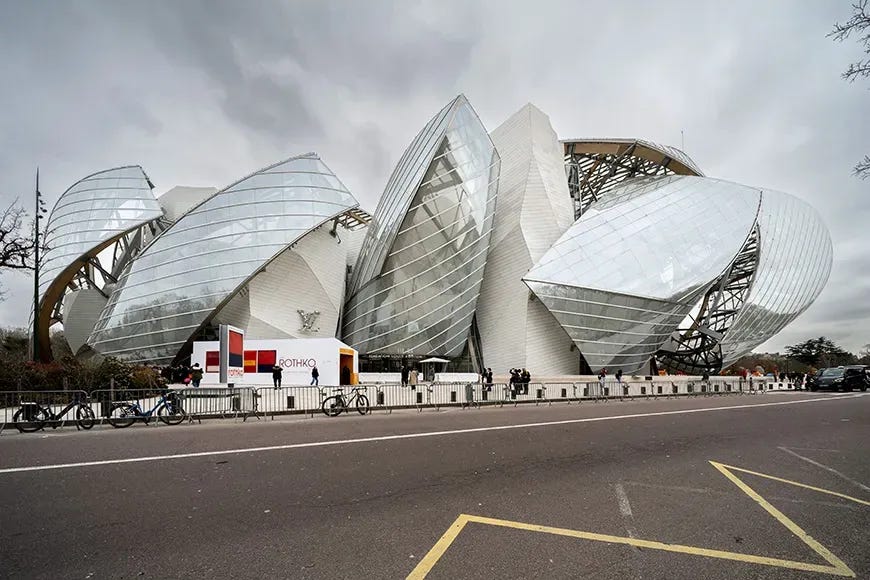
Zaha Hadid is another example of a celebrated starchitect. She really had a unique and astounding vision that’s still reverberating across the globe through her studio and artistic legacy. But there’s a human and ecological cost to these kinds of designs. They tend to be cold concrete and glass with little to no greenery in their iconic designs.


Deeper into the 21st century, territory, people, and purpose (and of course technology) take center stage. We’ve stepped into an era of sustainable architecture, and reasonably so.
Here are some important concepts that are prioritized in the new era of technological sustainable architecture:
Bamboo architecture: a fast-growing, renewable resource, is emerging as one of the most versatile materials
Biophilic design: brings architecture indoors with large green walls, rooftop gardens, indoor plants, and natural light that minimizes the need for artificial lighting
Energy-efficiency: structures powered by IoT (the Internet of Things) consume less energy and also include renewable energy sources when possible
Modular and prefabricated buildings: prefabricated modules often generate less waste, require fewer resources, and reduce construction time. They also avoid demolition
Net zero or carbon-positive structures: go a step further. The latter absorb more carbon than they emit through materials like bio-based concrete and lots of trees and plants
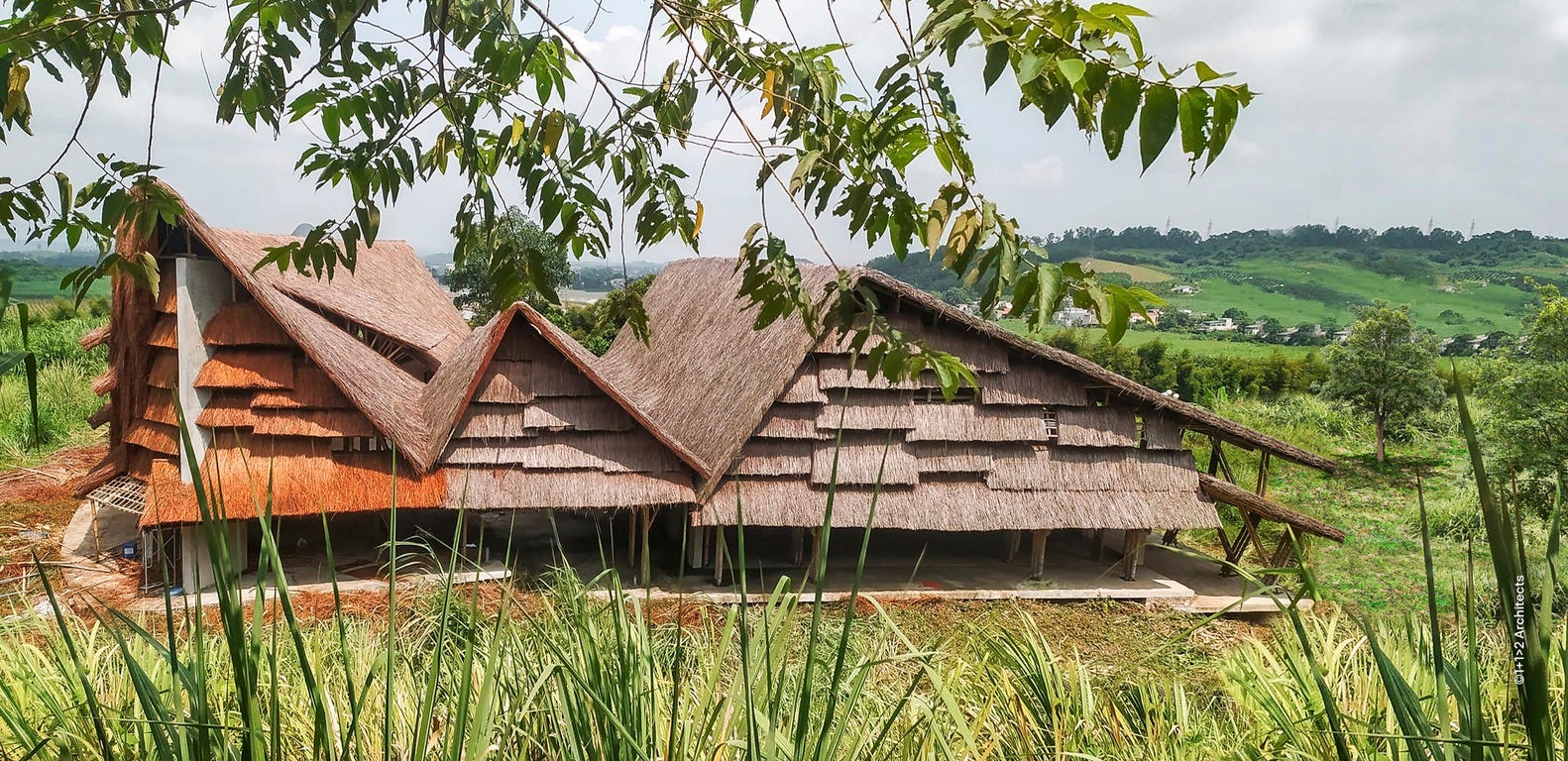
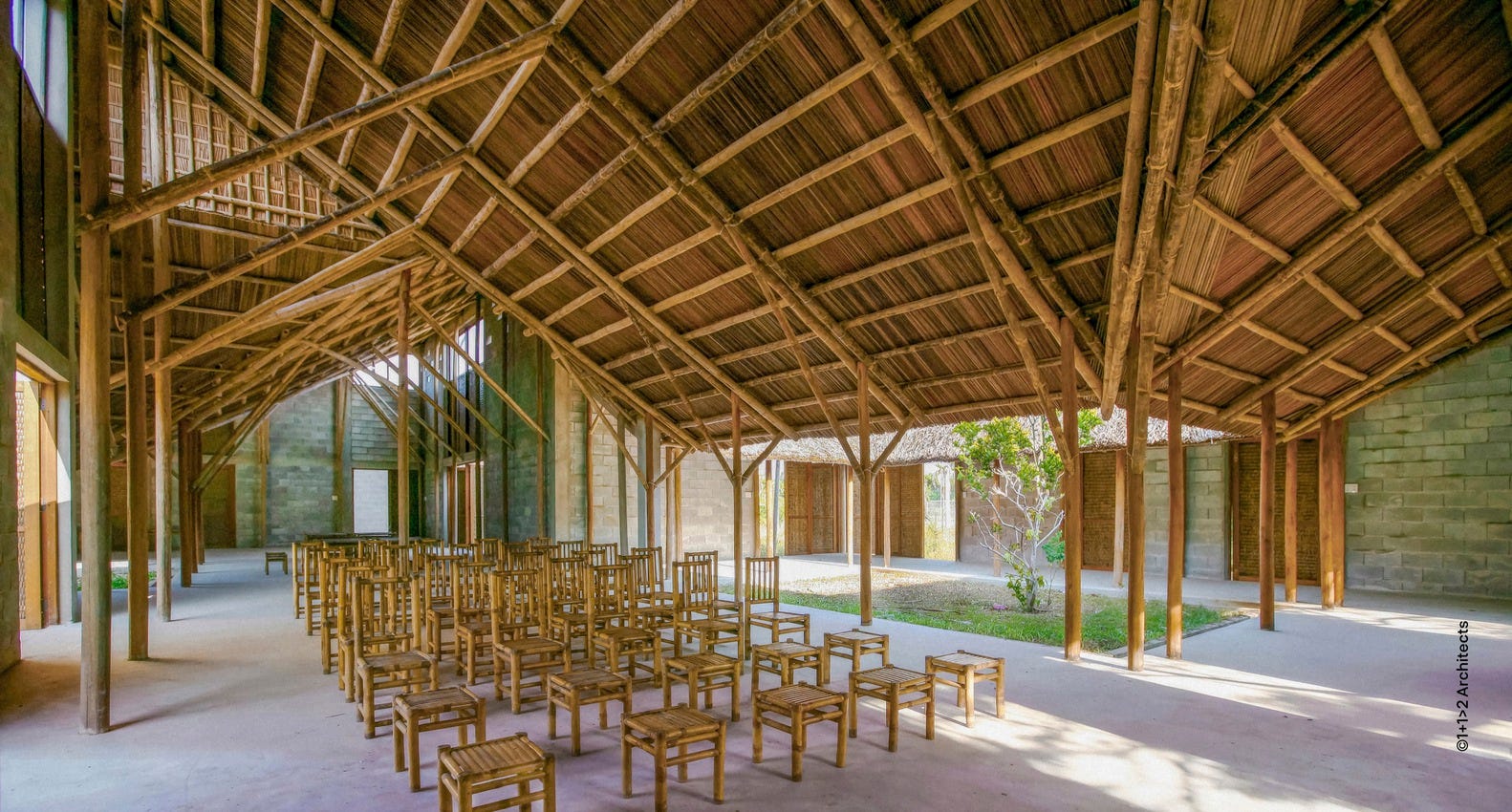
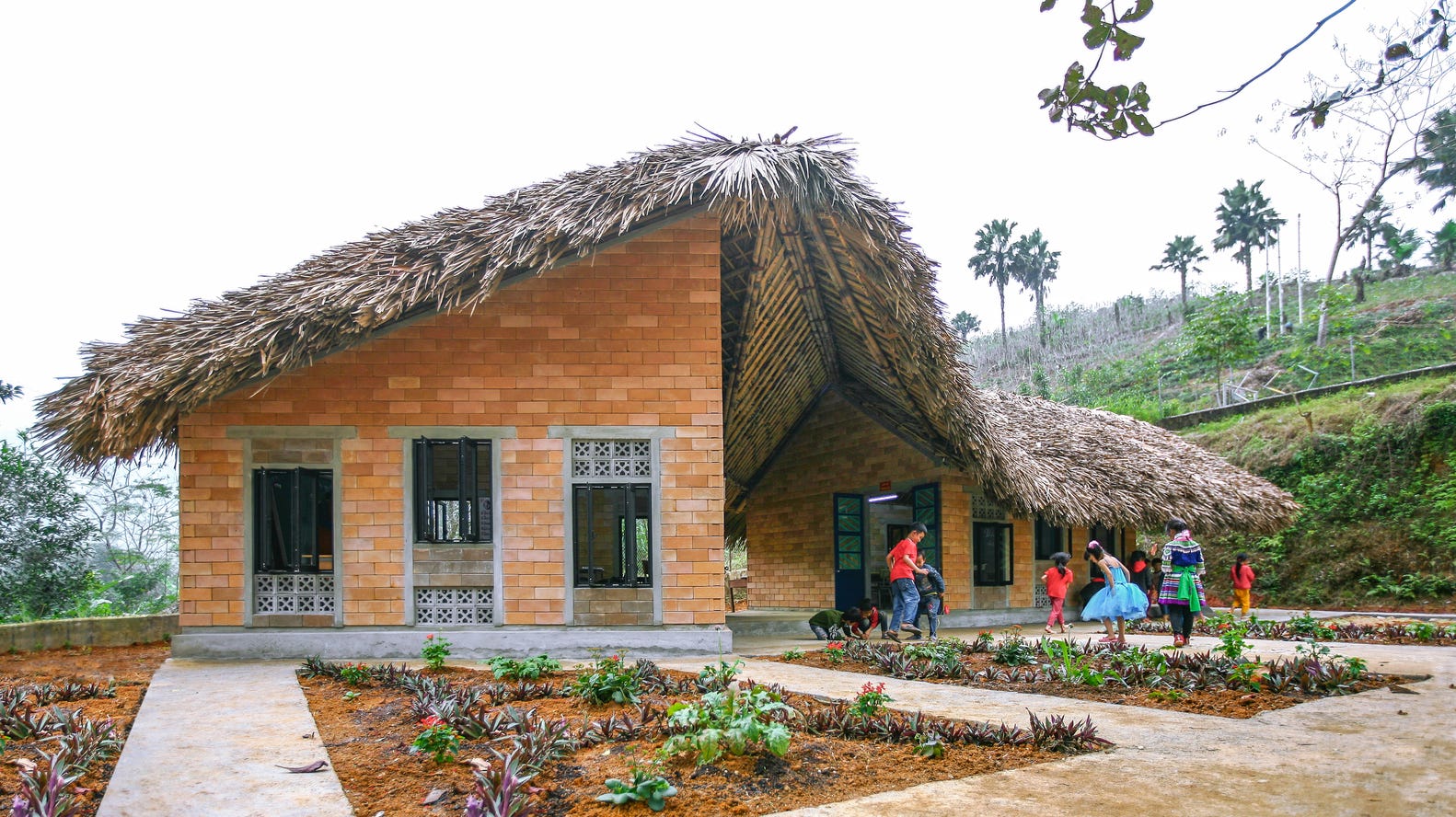
Sustainability in its full definition is deeply related to keeping peoples and cultures alive, with their particular contexts, traditions and local economies.
