


Robots as self-operating machines are very much an ancient concept. The Greeks mentioned automatons in plays for a variety of tasks, including cleaning and safeguarding.
In the Iliad, Homer describes Hephaestus crafting tripods that moved on their own. We know 13th-century Al-Jazari, a polymath and engineer created many automatons, including standing figures that played music on a floating island.
Leonardo Da Vinci also made an automaton, famously known as Leonardo’s Robot. Oh, but Frankenstein, Mary Shelly’s 1818 Gothic novel is perhaps the most well-known reference to robots. They’re everywhere throughout history…
Even though automatons have been present throughout millennia, the reference ‘robot’ arrived in 1921 when the Czech author and well known intellectual Karel Čapek premiered his play R.U.R (Rossum’s Universal Robots) in Prague.
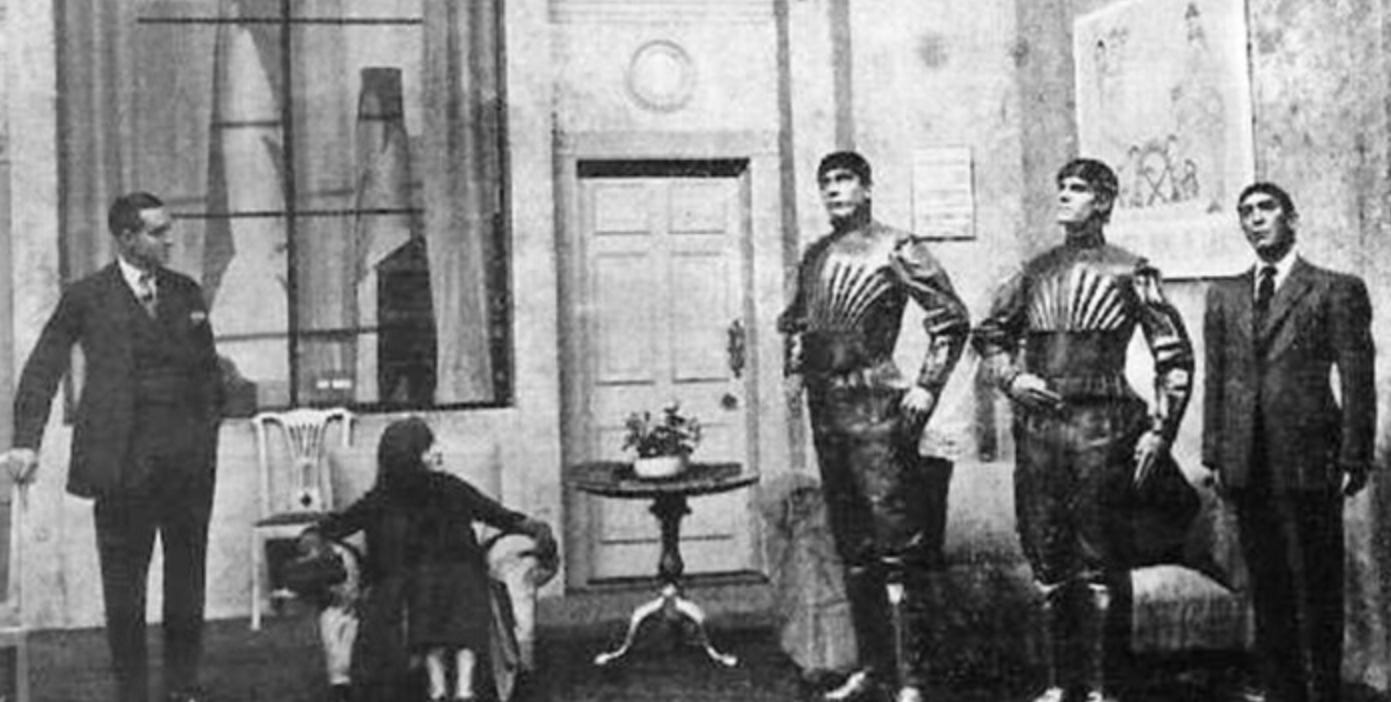
In Rossum’s Universal Robots, the inventor “Mr. Brain” takes the name from the Czech word “robots” meaning forced labor, as done by serfs. Its Slavic linguistic root, “rab,” means “slave.”
Here’s a fuller idea of the philosophical background that inspired, Čapek, the author of the play to choose this word:
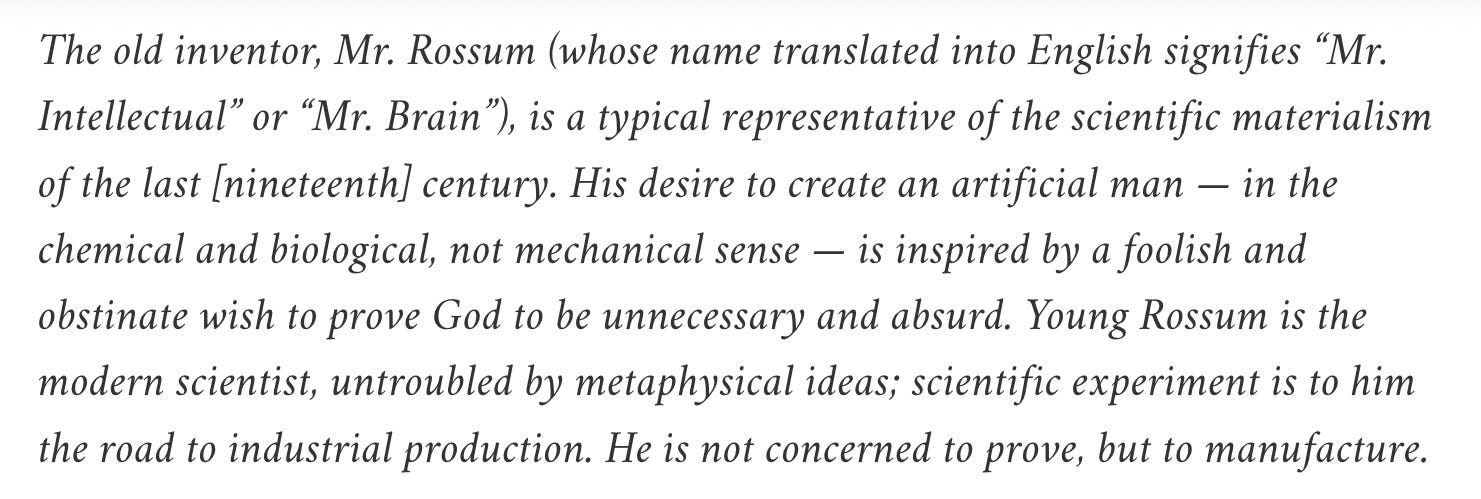
Literature and the arts predict a terrible demise following the creation of sophisticated robots, as does this foundational Czech play (1921) and its predecessor Frankenstein (1818) by Marry Shelly. In both works, the inventors die since their own creations begin to harass and prey them.
Now, robots are a somewhat controversial subject, but one point I see little to no controversy with respect to, is the fear that contemporary robots (a.k.a slaves) might one day learn beyond what we intended, they may develop to the point of having or understanding desires, and prey humans.
So here’s a snippet about a word that we mention all the time, robot. There’s a lot to be said about the sickening feeling of using a word that ultimately means slave, but at least this definition reinforces the premise of why we continue to create them in the first place: robots are meant to help us.
Let’s do everything to help keep it that way.
Stay tuned,
Eva Sky Wymm
Relevant NgenForce Articles:
Related Links:
The Czech Play that Gave Us the Word Robot, The MIT Reader